
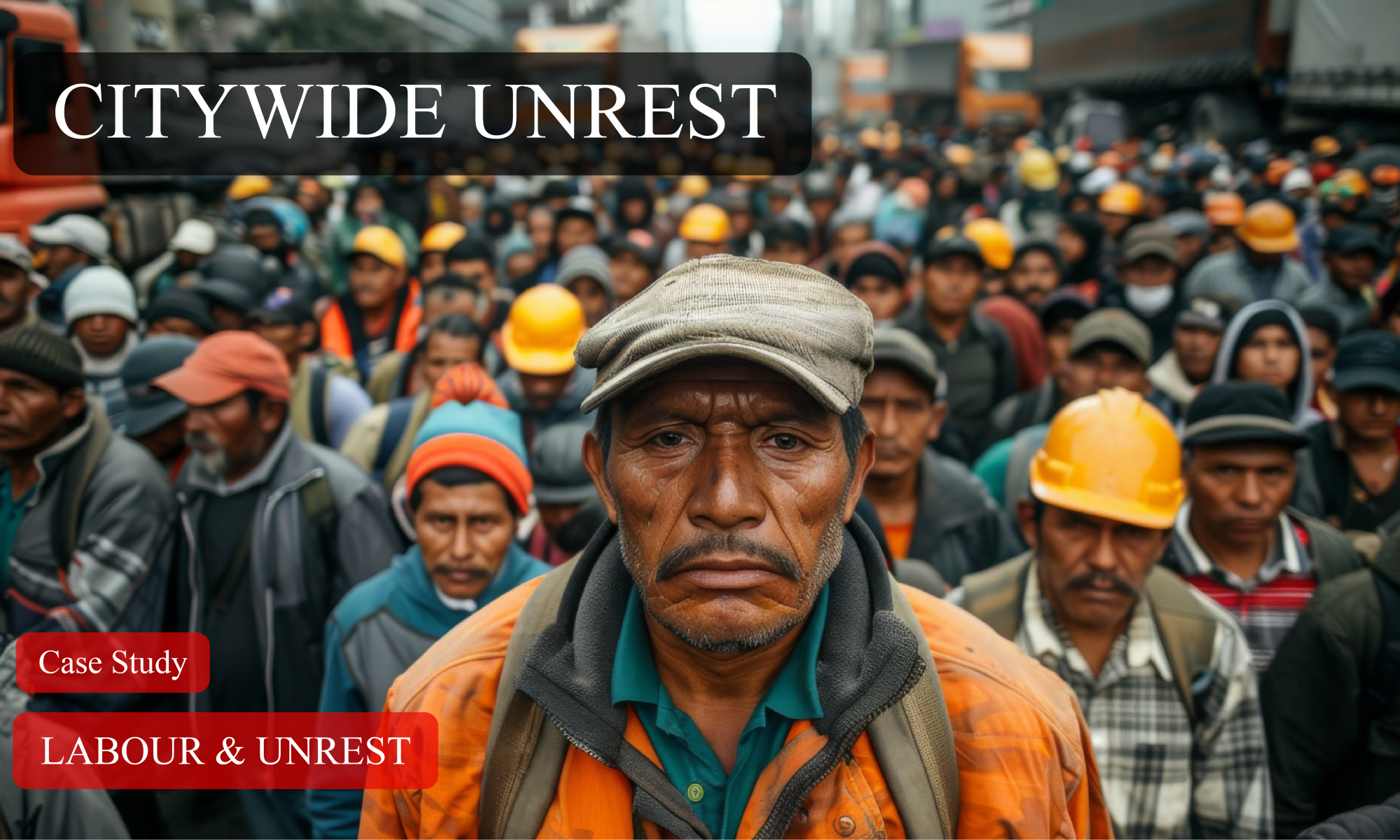

In April 2026, a developing labour issue in Noida escalated into a citywide disruption within days impacting industrial operations, supply chains and mobility across the NCR. What began as isolated wage-related concerns quickly spread across key corridors, including the Delhi–Noida border, NH 9 and Chilla crossing.
This is exactly the kind of crisis GeoSight is built to identify early and track in real time.
GeoSight flagged early signals nearly 72 hours before escalation, including:
- Worker protests over wage disparity
- Localised clashes and rising dissatisfaction
- Activity clustering in Noida Phase 2 and Sector 62
Individually, these appeared routine but together, they pointed to emerging large-scale mobilisation. By April 13 2026, the situation intensified rapidly resulting in violence, blockades and widespread disruption.
What the data showed is that alerts surged to 824 on April 13 2026, and then dropped to 180 on April 14 2026.
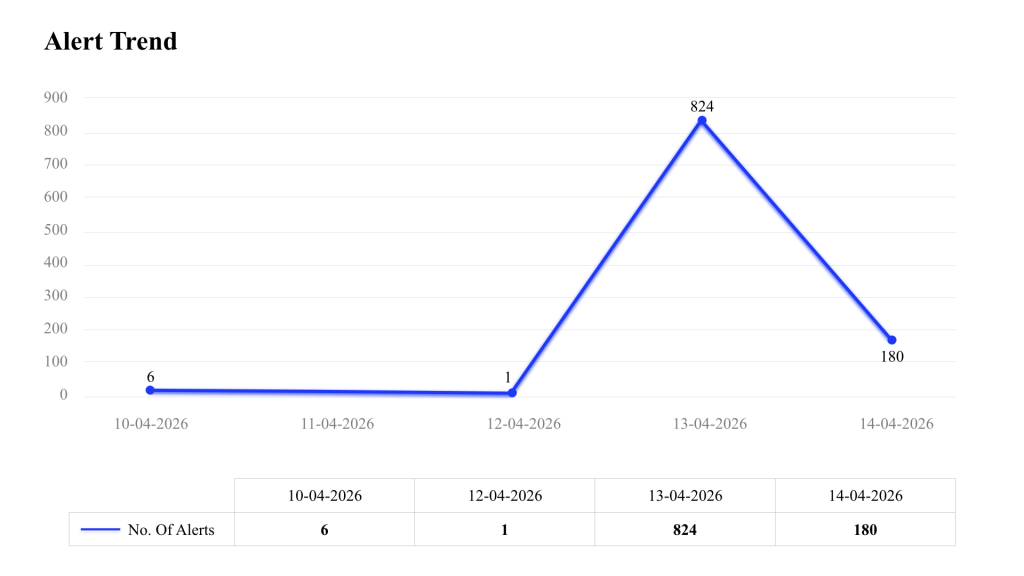
Approximately 65% of activity was disruption related. Peak intensity around blockades, damage and industrial impact was reported and there were continued disruption signals even post-decline, indicating partial stabilisation.
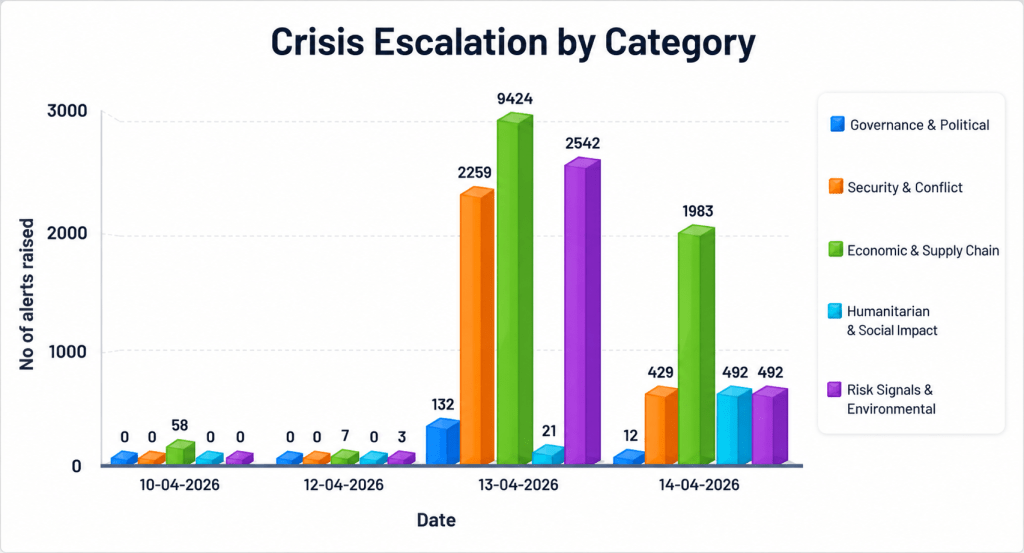
GeoSight maps real-world exposure across sectors including manufacturing slowdowns and shutdowns, supply chain disruptions across key industries, workforce mobility constraints and traffic and service interruptions. It enables organisations to detect early warning signals, continuously track crisis evolution, assess operational exposure in real time and prioritise response based on severity and spread.
For Banks and NBFCs, disruptions of this nature quickly translate into credit and operational risk. Experience from events such as the Manipur crisis and regional unrest in Karnataka, early visibility enables lenders to take immediate preventive measures, mobilising recovery and collections teams, safeguarding secured assets, reassessing vulnerable exposures and reducing portfolio risk before the impact compounds.
This is where GeoSight supports a shift from reactive risk management to proactive portfolio protection.
If this is relevant to your risk monitoring or decision-making priorities, we’d be glad to connect.
 AMUKHA